What Is USDC Used For?
Understanding what USDC is used for requires looking at how digital assets bridge the gap between traditional banking and the rapidly evolving world of decentralized finance. As a stablecoin pegged to the U.S. dollar, it functions as a reliable anchor for users who want the speed of blockchain technology without the volatility associated with assets like Bitcoin or Ethereum. Whether you are moving funds across borders or participating in complex automated protocols, this digital currency serves as a fundamental building block for modern online value transfer.
Core Functionality and Real-World Utility
The primary answer to what USDC is used for centers on its role as a stable medium of exchange within the digital ecosystem. Because it is backed by actual cash and short-dated U.S. Treasuries held in custody, it maintains a value as close to one dollar as possible.
This stability makes it the preferred tool for traders who need to exit volatile market positions without converting their holdings back into traditional fiat currency. By keeping their value in this form, participants avoid the friction and delays inherent in standard banking wires.
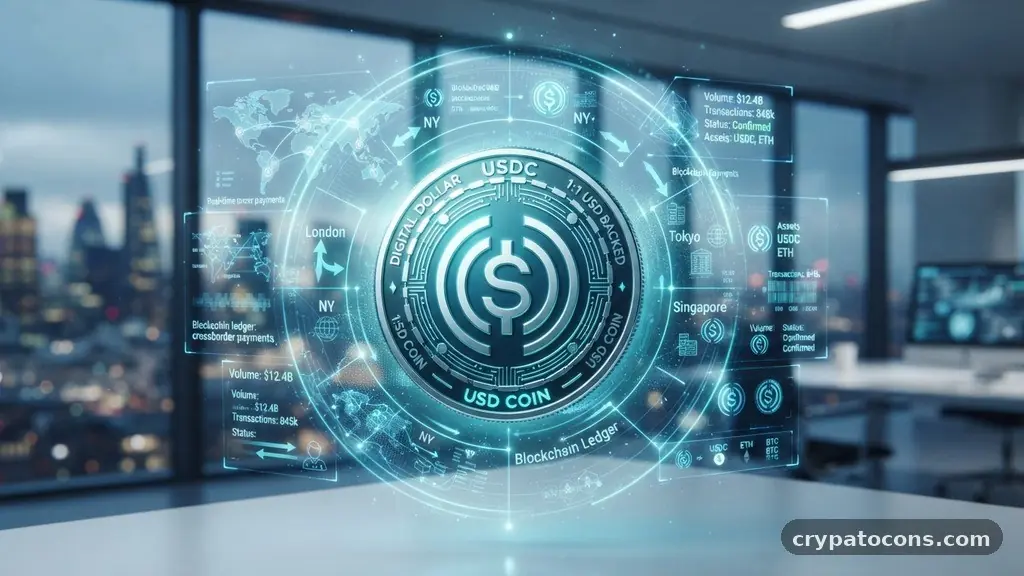
Beyond trading, this token serves as a highly efficient mechanism for global payments. Traditional international transfers often involve multiple intermediary banks, high fees, and waiting periods that can stretch for several days.
Using this stablecoin allows for near-instant settlement at a fraction of the cost, regardless of the recipient’s location. This utility has made it a vital tool for businesses operating in countries where local currencies may be unstable or where access to international capital markets is restricted.
Decentralized Finance and Yield Generation
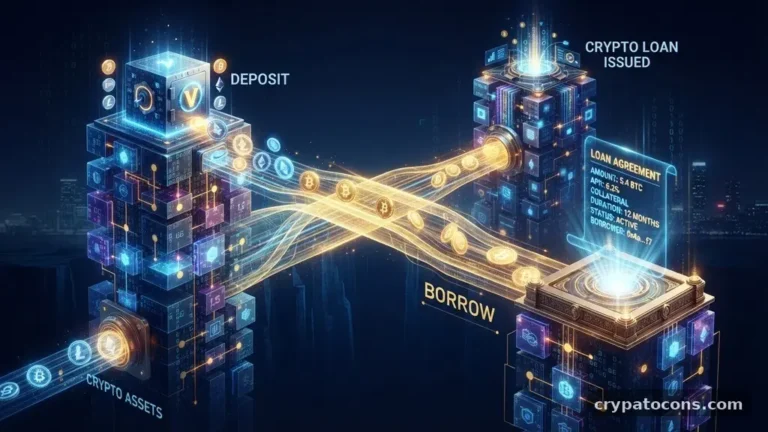
Many users ask what USDC is used for within the context of decentralized finance, or DeFi. In these open financial markets, this stablecoin acts as a primary liquidity source for lending and borrowing protocols.
Users can deposit their holdings into smart contracts to earn interest, effectively acting as their own bank. Because the asset is pegged to the dollar, lenders can provide liquidity without worrying that the value of their principal will plummet overnight.
This activity creates a transparent environment where interest rates are determined by real-time supply and demand rather than central bank policy. Borrowers can leverage their digital assets by collateralizing them with this stablecoin to access instant liquidity.
This cycle of lending and borrowing is essential for the health of the entire blockchain ecosystem. It provides the necessary capital for market makers to maintain tight spreads across various trading platforms.
Cross-Chain Compatibility and Scalability
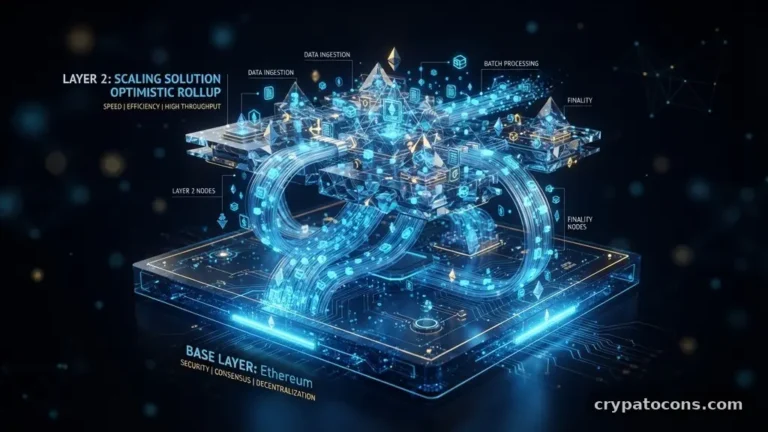
The utility of this asset is significantly enhanced by its presence across multiple blockchain networks. While it originated on Ethereum, it has expanded to support ecosystems like Polygon, Solana, and Avalanche.
This cross-chain availability ensures that users can move value between different networks without relying on centralized exchanges. It is a critical feature for developers who need to build applications that are not tethered to a single blockchain’s performance or congestion issues.
This interoperability is a major factor in what USDC is used for regarding the development of decentralized applications. By being available on networks with lower transaction fees, it enables micro-transactions that would otherwise be economically unfeasible.
Developers use this stability to price goods and services within their applications, creating a predictable user experience that mirrors traditional e-commerce. As more networks adopt this standard, the friction of moving value across the digital landscape continues to decrease.
Corporate Treasury and Settlement
Large-scale enterprises are increasingly incorporating this stablecoin into their treasury management strategies. Companies that operate globally often face the challenge of managing multiple currency exposures and high transaction costs.
By holding a portion of their liquidity in this digital format, they can settle invoices with international partners in real-time. This eliminates the uncertainty of exchange rate fluctuations that occur during the standard multi-day settlement window of traditional bank transfers.
Primary Use Cases for Businesses
- Streamlining cross-border payroll for remote international teams.
- Settling supplier invoices to reduce reliance on legacy banking rails.
- Maintaining operational liquidity for 24/7 digital service platforms.
- Hedging against local currency devaluation in high-inflation economies.
This institutional adoption is bolstered by the fact that the issuer, Circle, provides transparency regarding the reserves backing the token. By providing regular audits and public disclosures, they offer the level of oversight that corporate treasurers require.
This professional approach to reserve management has helped bridge the gap between traditional financial institutions and the crypto-native world. It allows firms to utilize blockchain efficiency while maintaining the risk controls expected by their stakeholders.
Comparison with Other Digital Assets
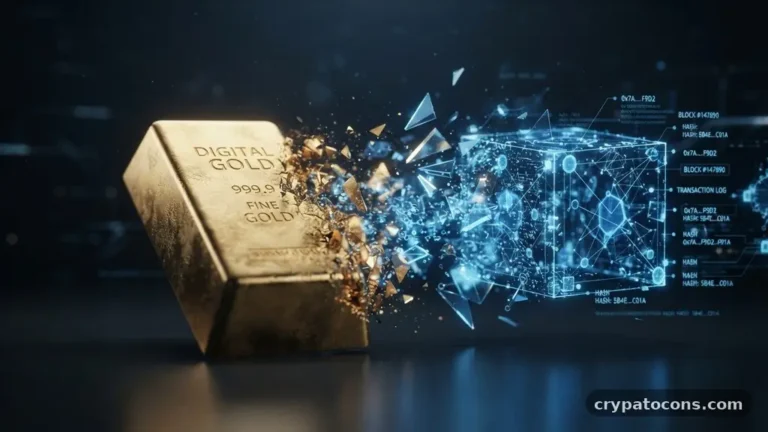
To truly grasp what USDC is used for, it helps to compare it to other assets in the crypto space. While Bitcoin is often viewed as a digital store of value similar to gold, this stablecoin is a digital representation of cash.
It is designed for movement and utility rather than speculative growth. This distinction is vital for anyone planning to use these assets for daily operations or financial planning.
| Feature | USDC Stablecoin | Bitcoin | Traditional Bank Transfer |
|---|---|---|---|
| Price Volatility | Minimal (Pegged to $1) | High | N/A |
| Settlement Speed | Minutes | Minutes to Hours | 1-5 Business Days |
| Availability | 24/7 | 24/7 | Banking Hours |
| Primary Use | Payments & DeFi | Store of Value | Standard Commerce |
The table above illustrates why users choose this specific asset for transactional needs. While Bitcoin remains a dominant asset class for investment, its price swings make it unsuitable for paying salaries or settling invoices.
Conversely, traditional bank transfers are reliable but slow and expensive for small or frequent payments. This stablecoin occupies the middle ground, offering the speed of crypto with the price stability of the dollar.
Regulatory Compliance and Trust
The regulatory landscape is a significant component of what USDC is used for in the eyes of institutional investors. Because it is issued by a regulated entity in the United States, it operates under a framework of accountability that many other stablecoins lack.
This compliance focus is a key reason why it is the preferred choice for major financial institutions looking to explore blockchain technology. It provides a level of legal certainty that is essential for long-term integration into the global financial system.
This focus on safety extends to how users interact with the asset on centralized exchanges. Because the company behind it maintains reserves in highly liquid, regulated financial instruments, the risk of a “de-pegging” event is significantly mitigated.
For a user, this means they can treat their holdings with a similar expectation of security to that of a standard brokerage account. This trust is the foundation upon which the entire ecosystem of decentralized finance is built.
Payment Gateways and Consumer Access
For the average consumer, what USDC is used for is often mediated through payment gateways and digital wallets. Many online merchants have begun to accept this asset as a form of payment, allowing customers to spend their digital holdings directly.
This is becoming increasingly popular in the world of online gaming, digital art markets, and subscription services. The process is similar to using a credit card, but the transaction settles on a public ledger instead of through a card network.
This direct-to-consumer utility is expanding rapidly as more wallet providers integrate with traditional banking services. Some platforms now allow users to convert their holdings into their local currency and withdraw it to a bank account with ease.
This connectivity makes the asset a useful tool for freelancers and content creators who receive payments from international clients. Instead of losing a percentage to currency conversion and wire fees, they can receive payment in a stable, digital format.
Frequently Asked Questions
Is USDC always worth one dollar?
While it is designed to maintain a one-to-one peg with the U.S. dollar, it is technically a market-traded asset. Its price can fluctuate by tiny fractions of a cent depending on supply and demand on various exchanges. However, the reserves held by the issuer are intended to ensure that the token remains stable and redeemable for a dollar.
Can I transfer this asset to my bank account?
Yes, most major centralized exchanges allow you to convert your holdings into fiat currency and transfer the funds to your linked bank account. The time it takes for these funds to arrive depends on your bank’s processing speed and the specific policies of the exchange you are using. You will generally need to complete identity verification to enable these types of transactions.
Is this asset considered a good investment?
It is generally not viewed as an investment for capital appreciation because its price is designed to remain stable. Instead, it is used as a tool for liquidity, risk management, and yield generation within decentralized finance platforms. Investors typically hold it to preserve their purchasing power during market downturns rather than to gain profit from price increases.
How does it differ from other stablecoins?
The primary difference lies in the transparency of its reserves and the regulatory oversight of its issuer. While some stablecoins use algorithmic methods to maintain their peg, this asset is backed by cash and short-term Treasuries. This “full reserve” model is designed to provide a higher degree of safety and auditability compared to alternatives that may rely on more complex or opaque backing mechanisms.
What happens if the blockchain network is busy?
When a network like Ethereum experiences high traffic, transaction fees can increase significantly. Because this asset runs on a blockchain, you will need to pay these network fees to complete a transfer. To avoid high costs, many users opt to use alternative networks like Polygon or Solana, which offer lower fees while maintaining the same stable value for their transactions.
Building Your Digital Financial Strategy
Understanding what USDC is used for is essential for anyone looking to participate in the digital economy. Whether you are a business owner seeking faster international settlement or an individual looking to earn yield on your savings, this stablecoin provides a unique blend of efficiency and stability. It serves as a bridge between the traditional banking world and the future of open, programmable money.
As you explore these tools, focus on the security of your own digital wallet and ensure you are using reputable platforms for your transactions. The versatility of this asset will only continue to grow as more businesses adopt blockchain technology for their daily operations.
By staying informed about how this digital dollar is evolving, you can better position yourself to take advantage of the opportunities it presents. Start by observing how these assets move within your preferred ecosystem and consider how they might fit into your broader financial picture.