Layer 1 vs Layer 2 Blockchain Explained: Understanding Scalability
When you start looking into how decentralized networks function, the concept of Layer 1 vs Layer 2 blockchain explained becomes essential for understanding how these systems actually scale. At its core, the difference comes down to where the heavy lifting of transaction processing happens.
Layer 1 represents the base architecture of a blockchain, while Layer 2 acts as an auxiliary framework built on top to handle volume. If you want to know how crypto networks manage to support millions of users without crashing, grasping this relationship is your first step.
The Fundamental Role of Layer 1 Networks

A Layer 1 blockchain serves as the foundational protocol for a specific network. It is the primary ledger that records every transaction and maintains the overall state of the system.
Think of it as the main highway that connects all participants in the ecosystem. When a transaction occurs on a Layer 1 network, it must be validated by the consensus mechanism of that base chain.
Examples of Layer 1 networks include Bitcoin, Ethereum, and Solana. These chains are responsible for the core security and decentralization of the entire ecosystem.
Because they handle everything from security to data availability, they often face constraints regarding how many transactions they can process simultaneously. This is commonly referred to as the “blockchain trilemma,” where a network struggles to balance security, decentralization, and scalability at the same time.
To maintain trust, every node in a Layer 1 network typically needs to verify the history of the chain. This requirement ensures that no single entity can manipulate the records, but it also creates a bottleneck.
As more users join, the sheer volume of data can slow down the base layer significantly. This is exactly where the need for secondary scaling solutions becomes clear for long-term growth.
Defining Layer 2 Scaling Solutions
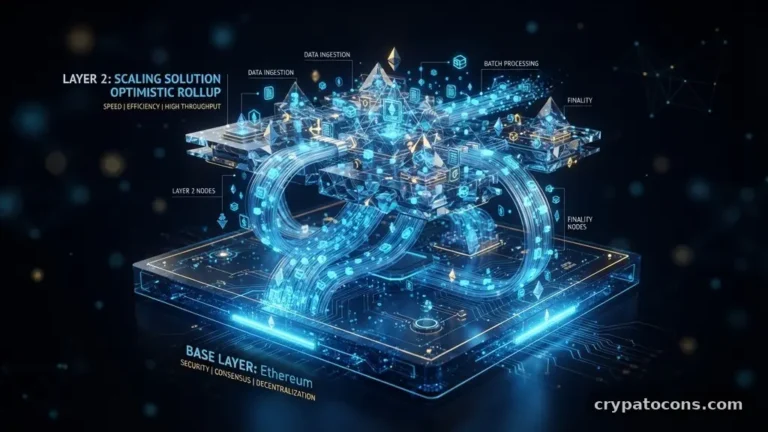
Layer 2 refers to a secondary framework or protocol built on top of an existing Layer 1 blockchain. Its primary purpose is to increase the throughput of the network by moving the bulk of transaction processing off the main chain. By doing this, Layer 2 solutions reduce the congestion on the base layer while still relying on it for final security.
You can imagine a Layer 2 network like a side-street designed to manage heavy traffic that would otherwise clog the main highway. Instead of every single transaction being recorded directly on the main blockchain, thousands of transactions are bundled together.
This batch is then sent to the Layer 1 network as a single summary or proof. This approach allows for much faster and cheaper operations for the end user.
The security of a Layer 2 solution is still inherited from the Layer 1 chain. If a malicious actor tries to cheat on the secondary layer, the base layer’s consensus mechanism can detect the fraud and reject the batch. This architecture allows developers to build high-performance applications that feel fast and inexpensive without compromising the fundamental safety of the network.
Comparing Base Chains and Secondary Layers
When you look at the technical differences, the distinction between these two layers becomes very concrete. A Layer 1 blockchain handles the consensus, security, and final settlement of all assets.
In contrast, a Layer 2 blockchain focuses almost exclusively on execution and speed. The following table provides a quick reference for how these two layers compare in practice.
| Feature | Layer 1 (Base Layer) | Layer 2 (Scaling Layer) |
|---|---|---|
| Primary Function | Security and Consensus | Transaction Throughput |
| Security Source | Native Network | Inherited from Layer 1 |
| Speed | Generally Slower | Very Fast |
| Cost | High During Congestion | Very Low |
This comparison highlights why the industry is moving toward a multi-layered approach. While Layer 1 provides the “truth” of the network, Layer 2 provides the “utility.”
Without the base layer, there would be no foundation to anchor the secondary layer. Without the secondary layer, the base layer would be too expensive for everyday use cases like gaming or micro-payments.
How Layer 2 Protocols Achieve Scalability
There are several different methods that Layer 2 developers use to squeeze more efficiency out of a network. The most popular method involves the use of “rollups,” which bundle many transactions into one single entry. There are two main types of rollups used in modern ecosystems today: Optimistic Rollups and Zero-Knowledge (ZK) Rollups.
Optimistic rollups assume that all transactions are valid by default. They only perform a formal verification process if someone challenges the validity of a transaction.
This “optimistic” approach saves a massive amount of computational power, making it a very efficient way to scale. It is widely used by networks like Arbitrum and Optimism to keep fees low for users.
Zero-Knowledge rollups, on the other hand, use advanced cryptography to prove that a batch of transactions is valid before it is ever sent to the main chain. This mathematical proof, known as a validity proof, ensures that only correct data is ever finalized on the base layer. While more complex to build, ZK-rollups offer faster finality and potentially higher security guarantees.
Common Examples in the Crypto Ecosystem
To see this in action, you can look at the current landscape of major projects. Ethereum is the most prominent example of a Layer 1 blockchain that relies heavily on a growing ecosystem of Layer 2 solutions to remain competitive. Many developers now build exclusively on these secondary layers because they offer a better experience for their users.
* Arbitrum: An optimistic rollup that significantly lowers the cost of interacting with Ethereum-based decentralized apps.
* Optimism: Another optimistic rollup that focuses on ease of use and developer compatibility with the Ethereum Virtual Machine.
* Polygon: While it functions as a sidechain, it also offers ZK-rollup technology to help scale the Ethereum network.
* Base: A popular Layer 2 network incubated by Coinbase that uses the OP Stack to provide low-cost transactions.
* Starknet: A ZK-rollup that leverages advanced math to provide high throughput while maintaining strict security standards.
These networks are not competing with Ethereum; they are extending its reach. By offloading transactions, they allow the main network to focus on what it does best: being the most secure and decentralized settlement layer in the world. This symbiotic relationship is the engine driving the next phase of blockchain adoption.
Why Network Security Remains a Priority
Even with the speed of Layer 2 solutions, the security of the underlying Layer 1 blockchain is non-negotiable. If the base layer were to be compromised, every Layer 2 network built on top of it would essentially become worthless. This is why projects prioritize decentralization at the base level, even if it comes at the cost of slower transaction speeds.
Security is maintained through consensus mechanisms like Proof of Work or Proof of Stake. These systems require participants to invest capital or energy to validate transactions, making it prohibitively expensive for a bad actor to take control. You can read more about these mechanisms in the official Ethereum developer documentation regarding how consensus functions.
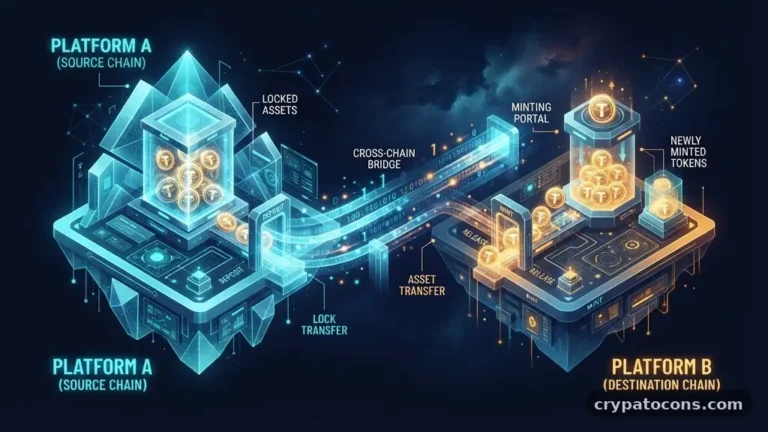
When you use a Layer 2 network, you are essentially outsourcing your security to the base layer. The bridge between the two layers is the most critical piece of infrastructure.
If the bridge is secure, your assets are safe, regardless of how fast the secondary layer is moving. This is why auditing the bridges between layers is a major focus for security researchers.
Addressing the Challenges of Fragmentation
While having many layers sounds ideal, it does create some challenges for the user experience. Because there are now dozens of different Layer 2 networks, liquidity and data can become fragmented. If your funds are on one specific rollup, you might not be able to easily move them to another without using a bridge.
This problem is often called “liquidity fragmentation.” It forces users to choose which ecosystem they want to live in, which can be confusing for newcomers.
Projects are currently working on “interoperability,” which aims to make moving assets between different layers as simple as sending an email. The goal is a future where the user doesn’t even need to know which layer they are interacting with.
Developers are also working on “shared sequencers” to help different layers communicate more efficiently. By standardizing how these networks talk to each other, the industry hopes to create a more unified experience. Despite these growing pains, the benefits of vastly improved throughput far outweigh the current friction of moving between chains.
Frequently Asked Questions
Is XRP a Layer 1 or Layer 2 blockchain?
XRP is considered a Layer 1 blockchain. It operates its own ledger, the XRP Ledger, which handles consensus and transaction validation independently of other networks.
What is the difference between Layer 1 and Layer 2 blockchain?
The primary difference is that Layer 1 handles the fundamental security and settlement of transactions, while Layer 2 focuses on scaling by processing transactions off-chain before settling the final result on the Layer 1 network.
Is Solana a Layer 1 or Layer 2?
Solana is a Layer 1 blockchain. It was designed to achieve high throughput at the base layer without needing a secondary rollup, though it may eventually use its own scaling techniques.
Are all Layer 2 solutions built on Ethereum?
No, but the majority of active Layer 2 scaling solutions are built on Ethereum. Other networks like Bitcoin are also exploring their own versions of Layer 2, such as the Lightning Network, to improve their transaction speeds.
Can a Layer 2 network function without a Layer 1?
No, a Layer 2 network cannot function on its own because it lacks the independent consensus and security mechanism required to settle transactions. It relies entirely on the Layer 1 to provide the final, immutable record of truth.
Understanding the Future of Scalability
The evolution of blockchain technology is moving toward a modular design. Instead of one chain trying to do everything, we are seeing a shift where the base layer provides the security and the secondary layers provide the performance.
This shift is necessary to accommodate the millions of people who will eventually use decentralized applications. By understanding the relationship between these layers, you can better navigate the digital asset space and appreciate the engineering that makes fast, cheap transactions possible.
As you continue to explore the crypto landscape, keep an eye on how these networks improve their connectivity. The goal of a truly scalable ecosystem is to make this technology invisible to the average person.
When you no longer have to worry about which network you are using, the industry will have reached a major milestone. Mastering the basics of Layer 1 vs Layer 2 blockchain explained is your best way to stay informed as this technology continues to grow and mature.