
What Are Smart Wallets in Crypto?
Smart wallets in crypto represent a significant evolution in how individuals interact with decentralized finance and blockchain technology. By moving beyond the limitations of standard private-key accounts, these tools offer a programmable layer that enhances user control and safety.
Understanding how these systems function is essential for anyone looking to manage digital assets with greater confidence. This article explores the mechanics, advantages, and practical applications of this technology to help you decide if it fits your digital strategy.
Defining the Core Functionality
At their simplest, smart wallets in crypto are accounts powered by smart contract code rather than just a static private key. Traditional wallets, often called Externally Owned Accounts or EOAs, rely entirely on a seed phrase that, if lost, leads to permanent asset forfeiture.
Smart wallets change this paradigm by introducing logic directly into the wallet address. This means the wallet itself can perform complex actions, such as batching multiple transactions together or enforcing spending limits.
When you use a standard wallet, every single action requires a manual signature and a separate transaction fee. Smart wallets allow for “account abstraction,” which simplifies this experience by enabling the wallet to handle multiple operations in one go.
You might approve a token swap and a staking deposit simultaneously, reducing the number of manual interactions required. Because the wallet is a smart contract, it acts as a programmable agent that follows specific rules you set at the time of creation.
The shift from static keys to programmable contracts creates a more flexible environment for digital asset management. This transition is similar to moving from a basic physical lock to a biometric security system that can be updated over time.
By embedding intelligence into the wallet architecture, developers can offer features that were previously impossible to implement on-chain. This structural change is the primary reason why many industry experts view this technology as a necessary step toward mass adoption.
Security Improvements Over Traditional Accounts
Security is the most significant advantage provided by smart wallets in crypto. Traditional wallets are binary: if someone gains access to your private key, they have total control over all your funds.
Smart wallets introduce multi-signature requirements and social recovery mechanisms that prevent a single point of failure. If you lose your primary access device, you can use pre-designated guardians or recovery processes to regain control of your assets.
These wallets also allow users to set granular permissions for specific applications. You can authorize a decentralized exchange to spend a maximum of $100 in a specific token without giving it total access to your entire balance.
This “allow-listing” feature significantly mitigates the risk of wallet drainer attacks, which frequently target users who accidentally sign malicious contracts. By restricting what an application can touch, you add a vital layer of defense against common phishing tactics.
Furthermore, smart wallets can be upgraded over time to address new security threats. If a vulnerability is discovered, the contract code can be patched or migrated without requiring you to move your assets to a brand-new address.
This longevity is impossible with traditional accounts, which are locked into the protocol’s original design. By prioritizing modularity, these systems offer a more resilient framework for long-term wealth preservation.
The Mechanics of Account Abstraction
Account abstraction is the technical foundation that allows smart wallets to function so effectively. It effectively merges the properties of a standard user account with the capabilities of a smart contract.
Without this, every transaction must be initiated by an Externally Owned Account, which limits what the blockchain can automate. By abstracting these requirements, developers enable wallets to pay gas fees in different tokens or even have a third party subsidize the costs.
This technology also enables “session keys,” which are temporary permissions for specific dApps. You can play a blockchain-based game or interact with a decentralized platform without having to sign a transaction for every single click.
This creates a much smoother experience that mimics the speed of traditional web applications. The smart contract manages the session, ensuring that permissions expire automatically once the user finishes their activity.
For developers, this means the barrier to entry for new users is significantly lowered. You can design onboarding flows where users don’t need to understand the complexities of gas prices or network congestion.
The wallet handles the heavy lifting in the background, making the interaction feel more like standard banking software. This invisible complexity is a hallmark of high-quality interface design in the blockchain space.
Comparing Wallet Types
To understand the landscape, it helps to look at how different wallet architectures stack up against each other. The following table highlights the key differences between standard accounts and smart contract-based solutions.
| Feature | Traditional (EOA) | Smart Wallet |
|---|---|---|
| Recovery | Seed phrase only | Social/Multi-sig |
| Transaction Batching | Not supported | Supported |
| Permissioning | All-or-nothing | Granular/Limited |
| Gas Sponsorship | Required | Optional |
As the data shows, the shift toward smart contract-based architecture provides clear benefits for usability and risk mitigation. While standard wallets are excellent for cold storage, they often struggle to support the active, daily use required by modern decentralized applications.
By choosing a smart wallet, you are effectively opting into a system that evolves alongside the technology it serves. It is a proactive approach to managing your digital footprint rather than a passive one.
Practical Benefits for Every User
Using a smart wallet in crypto simplifies a variety of daily tasks that would otherwise be cumbersome. One of the most immediate benefits is the ability to pay transaction fees in stablecoins or other tokens instead of the network’s native currency.
This removes the “chicken and egg” problem where a user has tokens but lacks the specific currency needed to pay the network to move them. It makes the entire ecosystem feel much more integrated and less fragmented.
Another major benefit is the ability to automate recurring payments or subscription services. Because the wallet is a smart contract, it can be programmed to release funds at specific intervals or upon the fulfillment of certain conditions.
This is a massive leap forward for decentralized finance, where everything has traditionally been manual. It brings the convenience of modern banking to the decentralized web, allowing for more predictable financial planning.
Finally, the recovery features provide immense peace of mind. Many users are terrified of losing their seed phrases, as that mistake is typically irreversible.
Smart wallets address this by allowing for “guardian” setups where trusted friends, family members, or secondary devices can help you recover access. This social recovery model is far more intuitive for the average person than writing down a string of twelve words on a piece of paper.
Common Risks and Considerations
Despite the benefits, it is important to acknowledge that smart wallets in crypto are not without their own set of risks. Because they rely on smart contract code, they are subject to the same risks as any other piece of software.
If the contract itself contains a bug or a logic error, there is a possibility that funds could be frozen or exploited. You should prioritize wallets that have been audited by multiple reputable security firms.
The complexity of these wallets also means that there is a higher reliance on the platform provider’s infrastructure. If the interface goes down, you might need to interact directly with the blockchain via a block explorer to recover your assets.
This requires a higher level of technical literacy than using a standard wallet, which is often simpler to export to other platforms. Make sure you understand how to perform a “manual” recovery before moving significant funds into any new system.
Finally, the gas costs for deploying and interacting with smart contracts can be higher than those for simple transfers. Because you are executing code on the chain, every action involves more data, which leads to higher network fees.
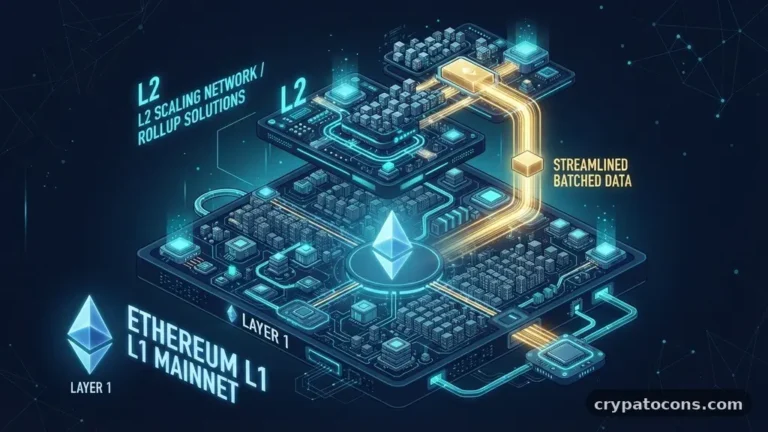
This is generally becoming less of an issue as layer-two scaling solutions gain traction, but it remains a factor for users on congested mainnets. Always check the estimated costs before confirming any complex batch transaction.
Choosing the Right Provider
Selecting a provider for your smart wallet is a decision that requires careful research. You want to look for platforms that offer a balance between ease of use and long-term security.
Many major companies, such as those discussed in reports by the Ethereum Foundation, are pushing for account abstraction standards to ensure compatibility across the ecosystem. Prioritize providers that follow these open-source standards to avoid vendor lock-in.
Consider the following factors when you begin your search for a compatible application:
- Security History: Does the team have a track record of transparent audits and quick bug fixes?
- Feature Set: Do you need advanced features like batching and social recovery, or is a simpler interface sufficient?
- Compatibility: Does the wallet support the specific blockchain networks you intend to use most often?
- User Interface: Is the wallet easy to navigate, and does it provide clear information about the transactions you are signing?
- Support: Is there a community or help center where you can go if you run into technical difficulties?
Don’t be swayed solely by marketing or flashy features that don’t serve your actual needs. The best wallet is one that you feel comfortable using, as this reduces the likelihood of human error.
Start with a small amount of capital to test the functionality before committing your primary assets. This approach allows you to verify that the system works as expected without placing your long-term savings at unnecessary risk.
Frequently Asked Questions
Are smart wallets safer than traditional private key wallets?
They offer different security models. While they reduce the risk of losing a single seed phrase, they introduce risks associated with smart contract bugs. They are generally considered safer for users who struggle with complex key management.
Do I need to pay more to use a smart wallet?
Often, yes. Because you are interacting with complex contract code, the gas fees for individual actions can be higher. However, the ability to batch multiple transactions can sometimes offset these costs compared to doing the same actions individually.
Can I move my funds out of a smart wallet if the company shuts down?
Yes, provided the wallet follows standard protocols. You can typically use a block explorer or a different interface to trigger the smart contract functions directly. This is why choosing a provider that adheres to open standards is so important.
Is a smart wallet the same as a hardware wallet?
No, they are different technologies. A hardware wallet is a physical device used to store keys offline, while a smart wallet is a software-based contract on the blockchain. You can often use a hardware wallet as the “owner” of a smart wallet to get the best of both worlds.
Are smart wallets available for all cryptocurrencies?
They are primarily associated with chains that support smart contracts, such as Ethereum, Polygon, and Solana. They are not applicable to simpler blockchains like Bitcoin, which do not have the same level of programmable contract support.
Conclusion
Smart wallets in crypto represent a shift toward a more user-friendly and resilient digital future. By abstracting the complexities of blockchain interaction, these tools make it possible for anyone to participate in decentralized finance without the constant fear of losing their assets. While they introduce new considerations regarding contract security and gas fees, the long-term benefits of social recovery and granular permissions are difficult to ignore.
As the industry continues to mature, we will likely see these wallets become the default standard for all users. You should take the time to experiment with these tools, learn how they handle your transactions, and prioritize those that offer clear, transparent security practices.
If you are ready to explore this technology, start by researching providers that align with your personal needs and security standards. There is a vast world of opportunity waiting for those who choose to engage with the next generation of digital asset management.