USDT vs USDC: What Is the Difference?
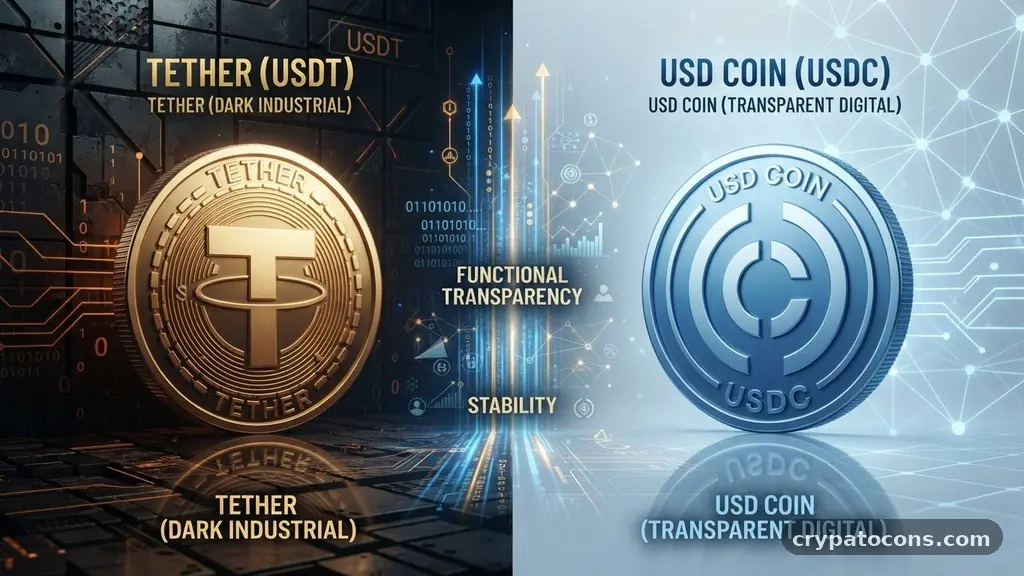
Choosing between stablecoins can feel overwhelming if you are new to the digital asset market. Understanding the nuances of USDT vs USDC: What Is the Difference is essential for anyone looking to manage their crypto holdings effectively. While both coins aim to maintain a one-to-one peg with the U.S. dollar, they operate with different philosophies, transparency standards, and backing structures.
By looking at how these assets function, you will gain the clarity needed to make informed decisions for your portfolio. This article breaks down their origins, reserve management, and regulatory standing to help you determine which coin aligns best with your financial goals and risk tolerance.
The Core Functional Difference
The primary distinction between USDT and USDC lies in their issuance and reserve management. USDT, issued by Tether Limited, is the oldest and most widely used stablecoin in the crypto ecosystem.
It was designed to bridge the gap between fiat currencies and digital assets, providing a liquid medium for traders to move in and out of volatile positions. Because it has been around since 2014, it has captured the vast majority of trading volume across global exchanges.
USDC, on the other hand, is a regulated stablecoin managed by a consortium called Centre, which was founded by Circle and Coinbase. It was built with a stronger focus on institutional adoption and regulatory compliance from the start.
While both assets are designed to be worth exactly one dollar, they are backed by different types of collateral. Understanding these structural differences is the first step in evaluating which asset is right for your specific use case.
Tether and the Historical Market Dominance
Tether (USDT) maintains its dominance by being the primary liquidity provider for the entire crypto market. Nearly every major exchange, whether centralized or decentralized, lists USDT as a primary trading pair.
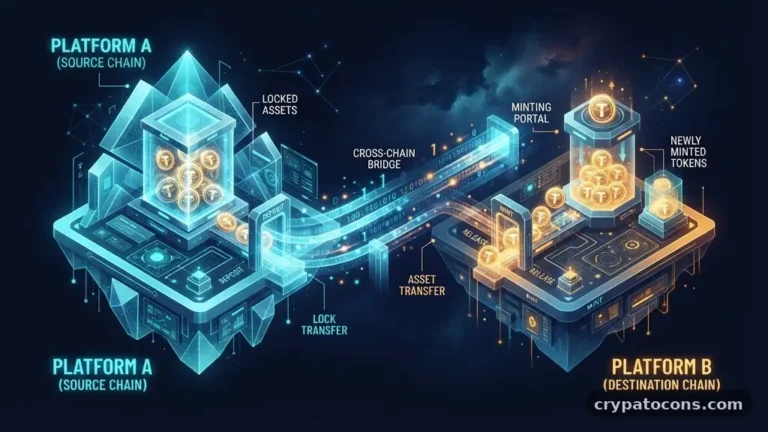
This deep liquidity makes it the preferred choice for high-frequency traders who need to execute large orders without causing significant price slippage. You will find that most cross-chain bridges and decentralized finance protocols prioritize USDT integration because of its sheer volume.
Critics often point to Tether’s history of opaque auditing as a potential risk factor. In its early years, the company faced significant scrutiny regarding the exact nature of its reserves.
While Tether has since improved its disclosure practices, some investors still prefer the perceived safety of more transparent issuers. Despite these controversies, the sheer utility of USDT in the global market remains unmatched, making it a staple for anyone active in the broader crypto space.
Circle and the Focus on Transparency
USDC is frequently championed for its commitment to transparency and regulatory compliance. Circle, the entity behind USDC, publishes regular attestations from major accounting firms to prove that the coins are backed by actual cash and short-term U.S. Treasury bills.
This level of reporting is intended to provide peace of mind to institutional investors who operate under strict legal requirements. For users who prioritize safety and auditability above all else, USDC often serves as the gold standard.
The regulatory environment surrounding USDC is also more robust compared to many other stablecoins. Because it is issued by a U.S.-based company, it adheres to strict licensing and anti-money laundering protocols.
This alignment with traditional financial regulations makes it a popular choice for businesses that want to integrate blockchain technology into their operations. If you are looking for an asset that bridges the gap between traditional banking and the decentralized web, the design choices behind USDC are specifically tailored to that purpose.
Comparison of Key Characteristics
When evaluating USDT vs USDC, it helps to look at the specific attributes that define their utility. The following table highlights the primary differences in how these two assets are managed and distributed across the market.
| Feature | USDT (Tether) | USDC (Circle/Coinbase) |
|---|---|---|
| Primary Focus | High liquidity and trading volume | Transparency and regulation |
| Reserve Composition | Diversified cash, bonds, and assets | Cash and U.S. Treasury bills |
| Primary User Base | Global traders and DeFi users | Institutions and U.S. investors |
| Regulatory Status | International/Offshore focus | U.S. compliant/Regulated |
Liquidity and Ecosystem Integration
Liquidity is arguably the most critical factor for active traders. Because USDT has been in the market longer, it has deeper integrations across more blockchain networks and platforms.
You can find USDT on almost every major chain, including Tron, Ethereum, Solana, and layer-two solutions like Arbitrum. This ubiquity ensures that if you are moving funds between disparate platforms, you are highly likely to find a USDT trading pair available.
USDC is catching up rapidly, particularly as decentralized finance protocols move toward more regulated assets. Major platforms now offer significant incentives for liquidity providers who use USDC, which has narrowed the gap in some specific markets.
However, for those operating on smaller, niche exchanges or specific international platforms, USDT remains the default. Your choice may ultimately depend on the specific exchange or protocol you intend to use for your transactions.
Risk Profiles and Market Volatility
While both coins aim to maintain a one-to-one peg, they are not immune to market shocks. In the past, both assets have experienced brief moments where their price deviated from the dollar, usually due to sudden mass liquidations or panic in the broader crypto market.
For a deeper look at how stablecoins are monitored, you can check the Federal Reserve’s official reports on digital asset stability. These events are generally short-lived, but they serve as a reminder that these are digital tokens rather than actual bank deposits.
The risk profile of USDT is largely tied to its offshore regulatory status and the potential for regulatory action against the issuer. If a government entity were to place restrictions on Tether, the impact on the market would be substantial.
Conversely, the risk for USDC is tied to the U.S. banking sector and the specific financial institutions where its reserves are held. Diversifying your holdings between different stablecoins can be a prudent strategy to mitigate the risk of a single point of failure.
Regulatory Compliance and Future Outlook
The future of stablecoins will likely be defined by how they interact with global regulatory frameworks. Governments are increasingly looking to classify stablecoins as either securities or payment instruments, which will dictate how they can be used.
USDC is currently positioned to benefit from these changes due to its proactive stance on compliance. Its business model assumes that stricter oversight will eventually become the global standard.
USDT operates in a more complex legal environment, given its international footprint. While it continues to dominate in regions where access to banking is limited, it faces ongoing pressure from regulators in the West.
As the market matures, we will likely see a bifurcation where regulated entities lean toward assets like USDC, while the decentralized and international trading markets continue to rely on the liquidity provided by USDT. Keeping an eye on international policy shifts is essential for long-term planning.
Practical Considerations for Users
* Transaction Fees: Check the gas costs on the specific blockchain network you are using, as these can vary significantly between networks like Ethereum, Polygon, or Tron.
* Exchange Availability: Confirm that your preferred exchange supports the specific version of the stablecoin you are using, especially when bridging assets between chains.
* Platform Support: Ensure your digital wallet is compatible with the network (e.g., ERC-20 vs. TRC-20) to avoid loss of funds during transfers.
* Regulatory Needs: If you are a U.S.-based business, prioritize assets that offer clear tax reporting and compliance documentation.
* Diversification: Consider holding a mix of stablecoins to avoid relying on a single issuer’s solvency or regulatory status.
Frequently Asked Questions
Is it better to use USDC or USDT?
The better choice depends on your specific needs. If you are a high-frequency trader requiring maximum liquidity on global exchanges, USDT is often the standard. If you prioritize transparency, regular audits, and regulatory compliance, USDC is generally considered the safer, more conservative option.
Is USDC growing faster than USDT?
USDC has seen periods of rapid growth, especially during market cycles where investors flock to quality and transparency. However, USDT maintains a significant lead in total market capitalization and trading volume. While USDC is a major competitor, USDT remains the foundational stablecoin for the vast majority of crypto market activities.
Is 1 USDC equal to 1 USDT?
In theory, both assets are designed to be worth exactly one dollar. In practice, there can be tiny price discrepancies on exchanges due to supply and demand imbalances. These fluctuations are usually negligible, but they can occur during periods of extreme market volatility or high trading activity.
Are USDT and USDC the same value?
They both aim to maintain a value of $1.00. However, because they are separate tokens issued by different entities with different reserves, they are not the same asset. Holding one is not the same as holding the other, and you should treat them as distinct financial instruments.
Conclusion
Navigating the world of stablecoins requires a clear understanding of the tools you are using to store and transfer your value. While the debate regarding USDT vs USDC: What Is the Difference often centers on technicalities, the practical reality is that both play vital roles in the current ecosystem.
USDT continues to provide the essential liquidity that keeps the engine of the global crypto market running. Meanwhile, USDC offers a more transparent and regulated pathway for those who require institutional-grade security and auditability.
Your choice should ultimately reflect your personal risk tolerance and your specific goals within the market. Whether you prioritize the widespread availability of Tether or the compliance-focused structure of Circle, both assets provide a way to interact with the digital economy. As you continue your journey, keep researching, stay updated on regulatory shifts, and consider diversifying your holdings to protect your interests.