
What Is Ethereum Gas? Practical Mechanics Explained?
Ethereum gas represents the fundamental unit of measurement for the computational effort required to execute operations on the Ethereum blockchain. When you interact with the network, you are essentially asking a global, decentralized computer to process your instructions, and that processing power is not free.
Think of gas as the fuel that powers every smart contract interaction, token transfer, or decentralized finance swap you initiate. Without this mechanism, the network would be vulnerable to spam, as users could flood the system with infinite, meaningless computations without any consequence.
Understanding why these costs exist is the first step toward managing your digital assets effectively. Every action on the blockchain—from a simple wallet-to-wallet transfer to a complex NFT mint—consumes a specific amount of computational resources.
By requiring a fee in the form of ETH, the protocol ensures that only meaningful, high-priority work gets processed by the validators. This article breaks down the mechanics of how these fees are calculated, why they fluctuate, and how you can optimize your usage to save money.
The Core Concept of Ethereum Gas
At its most basic level, gas is a unit of account for the work performed by the Ethereum network. Just as your car requires gasoline to travel a certain distance, a smart contract requires gas to execute a specific line of code.
The more complex the operation, the more gas it consumes. This ensures that miners or validators are compensated for the energy and hardware costs associated with maintaining the global ledger.
The total cost you pay is determined by two main factors: the amount of gas required for the transaction and the current price per unit of gas. The amount of gas is relatively fixed for specific types of transactions, while the price per unit fluctuates based on real-time network demand. If the network is congested, you will notice that prices rise sharply as users compete to have their transactions included in the next block.
It is important to distinguish between gas and the native cryptocurrency, ETH. You do not pay in “gas tokens”; you pay in ETH, which acts as the currency to purchase the gas needed for your computation.
When you see a “gas fee,” you are essentially paying for the labor of the validators who keep the network running. This separation allows the network to maintain a stable cost for computational complexity while the market price of ETH remains volatile.
How Gas Is Measured in Gwei
Because the price of a single unit of ETH is often high, expressing fees in whole numbers would be impractical. To solve this, the network uses a smaller denomination called gwei, which stands for “giga-wei.”
One gwei is equal to 0.000000001 ETH, or ten to the power of negative nine. This allows users to pay for tiny fractions of computational work with precision.
When you use a crypto wallet, it often displays the current gas price in gwei. For instance, if you see a price of 20 gwei, it means you are paying 20 billionths of an ETH for each unit of gas consumed.
This granular pricing system is essential for maintaining the economic balance of the Ethereum blockchain. It allows for a dynamic market where users can bid higher to get their transactions processed faster during periods of heavy volume.
You might wonder how these numbers compare to actual dollar values. The relationship is simple: the final transaction fee in USD is the product of the gas limit, the gas price in gwei, and the current market price of ETH.
If the price of ETH doubles, your transaction costs in USD will also double, even if the gwei price remains constant. This is why tracking network activity is vital for traders and NFT collectors alike.
The Role of the Base Fee and Tips
Since the implementation of EIP-1559, the fee structure has shifted to include a base fee and a priority fee. The base fee is the minimum amount required to get your transaction included in a block, and this amount is “burned,” or permanently removed from circulation. This mechanism helps manage the total supply of ETH, creating a deflationary pressure during periods of high network usage.
The priority fee, or tip, is an optional amount you pay to the validator to incentivize them to pick your transaction over others. If you are in a rush, you can increase this tip to signal that your transaction should be processed sooner. This creates a tiered system where your cost reflects the urgency of your specific request.
The following table summarizes the key components that define your transaction cost:
| Component | Description | Market Dynamic |
|---|---|---|
| Gas Limit | Maximum units of gas you are willing to spend. | Fixed by the complexity of the code. |
| Base Fee | The minimum price to enter the block. | Determined by network congestion. |
| Priority Fee | A tip given to the validator. | User-defined; increases speed. |
Why Transaction Costs Fluctuate
Volatility in transaction costs is primarily driven by the simple law of supply and demand. The Ethereum network has a finite amount of space in each block, meaning there is a physical limit to how many transactions can be processed at once. When thousands of users try to interact with the blockchain simultaneously, the available “space” becomes scarce.
During major NFT drops or periods of extreme market volatility, the demand for block space spikes. Validators naturally prioritize transactions that offer higher fees, leaving those with lower bids stuck in the “mempool.”
This queue can last for minutes or even hours if the network remains congested. Understanding these cycles can help you time your transactions to avoid peak prices.
Historical data shows that weekends and off-peak hours in major financial hubs often see lower network activity. Many experienced users wait for these windows to perform non-urgent tasks like moving assets or staking.
By monitoring the Ethereum Gas Tracker, you can see real-time estimates of current costs. This simple habit prevents you from overpaying during periods of irrational exuberance or network spikes.
The Impact of Smart Contracts
Not all transactions consume the same amount of resources. A basic ETH transfer is a simple operation that requires only 21,000 units of gas.
In contrast, interacting with a complex decentralized application, such as a decentralized exchange or a yield aggregator, involves executing multiple smart contract functions. These operations are significantly more “expensive” in terms of gas.
When you interact with a smart contract, you are triggering a sequence of events on the blockchain. The code must be read, the logic must be computed, and the state of the ledger must be updated.
Because these steps occur on-chain, the more complex the application, the higher the gas cost. This is why developers prioritize “gas optimization” to keep their code as lean as possible.
Developers often use specialized tools to audit their contracts for efficiency. By reducing the number of storage writes or simplifying complex loops, they can ensure that their users pay less per interaction. As a user, you should be aware that choosing a well-optimized protocol can save you significant amounts of money over time compared to poorly written alternatives.
What Happens If You Run Out of Gas?
If you set a gas limit that is too low for a transaction, the network will stop processing your request once that limit is reached. The transaction will fail, and it will be marked as “out of gas” on the blockchain. Crucially, even if the transaction fails, you still pay for the computational work that was performed up until the point of failure.
This is a common pitfall for newcomers who try to manually override default settings. Most modern crypto wallets are designed to estimate the necessary gas limit automatically, preventing these errors.
However, if you are performing a complex manual interaction, it is always safer to provide a slightly higher limit than the estimate. You will only be charged for the actual amount used, so there is no downside to being slightly over-prepared.
If a transaction fails, you lose the fee you paid, and the state of the blockchain remains unchanged. You will need to resubmit the transaction with a sufficient gas limit to see it through to completion. Always check your wallet’s pending transactions if you suspect a delay, as you may need to increase the priority fee to “bump” your request and avoid a stuck status.
Common Myths About Gas Prices
A persistent myth is that you can “pre-pay” for gas to lock in lower rates. In reality, there is no way to hedge against gas prices on the main chain; the market is purely real-time.
Another misconception is that holding more ETH somehow reduces your fees. Your balance has no impact on the price you pay, as the network treats all users equally based on the fee they bid for their transaction.
Some users also believe that gas fees go to Ethereum itself as a company. This is incorrect.
There is no Ethereum company; the fees go entirely to the validators who secure the network. This decentralized reward system is what keeps the network resilient and censorship-resistant.
Finally, many people assume that gas fees are high because the network is inefficient. While it is true that the network has scaling challenges, the high fees are actually a sign of massive demand for the security and decentralization that Ethereum provides. These costs represent the market value of the most secure, decentralized computing platform in existence today.
Frequently Asked Questions About Ethereum Gas
Is gas a good investment?
Gas is not an asset you can invest in. It is a consumable resource used to pay for computational power. You cannot “buy” gas to hold for future appreciation; you only purchase it at the moment you initiate a transaction.
What happens if I run out of gas mid-transaction?
If you run out of gas, your transaction will fail. You will lose the ETH spent on the fees for the work performed up to that point, and the transaction will not be completed. You must then re-initiate the transaction with a higher gas limit.
What is the difference between gas and Gwei?
Gas is the unit of measure for computational work, while Gwei is the denomination used to price that work. Think of gas as the “gallons” of fuel, and Gwei as the “price per gallon.”
Can I avoid gas fees entirely?
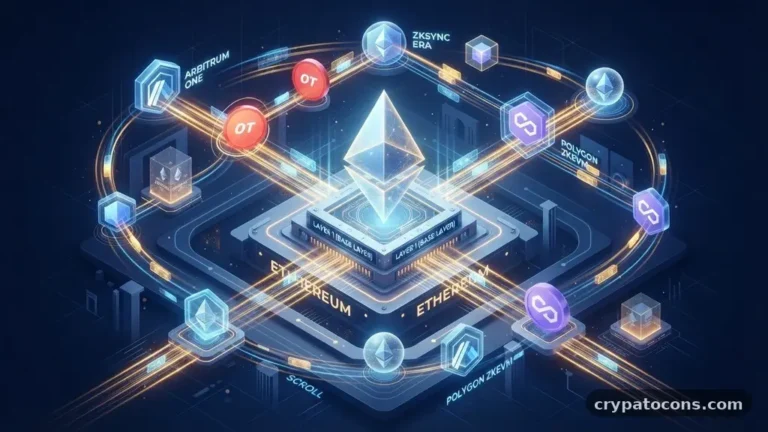
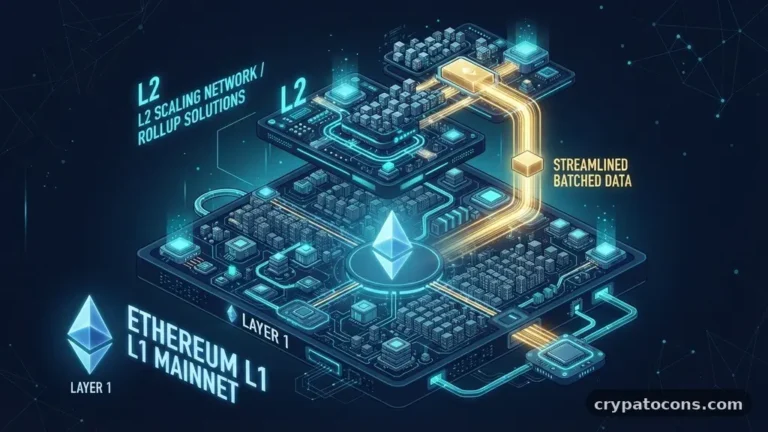
You cannot avoid gas fees on the Ethereum mainnet for on-chain transactions. However, you can use Layer 2 scaling solutions, which aggregate transactions to significantly lower the cost per user. These solutions process work off-chain and only settle the final results on the main Ethereum blockchain.
Why do my fees change so drastically?
Fees change based on the current demand for block space. When more people compete to have their transactions included in a block simultaneously, the price for that limited space increases. This is a standard auction mechanism inherent to the network’s design.
Managing Your Network Interactions
Understanding Ethereum gas is essential for anyone participating in the digital economy. While the fees can feel high during periods of intense activity, they are a necessary component of a secure and decentralized system. By learning how the base fee, priority fee, and gas limits interact, you can make informed decisions about when and how to move your assets.
Always check your wallet’s settings before confirming any transaction to ensure you are paying a fair market rate. If the network is exceptionally busy, consider waiting for a quieter period or exploring Layer 2 alternatives to reduce your expenses.
By staying informed, you can effectively manage your interactions without overpaying. As the ecosystem continues to evolve, your ability to navigate these mechanics will remain a vital skill for getting the most out of your experience on the blockchain.