How Does RWA Tokenization Work?
Understanding how does RWA tokenization work is essential for anyone looking to bridge the gap between traditional finance and the decentralized digital economy. By converting physical items like real estate, gold, or treasury bills into digital tokens on a blockchain, this process creates liquidity and transparency for assets that were previously difficult to trade.
You will learn the mechanics behind this transformation, the role of smart contracts, and why institutional investors are increasingly pivoting toward onchain solutions. This breakdown provides the clear, technical, and practical context needed to grasp the current shift in global asset management.
The Core Mechanics of Asset Tokenization
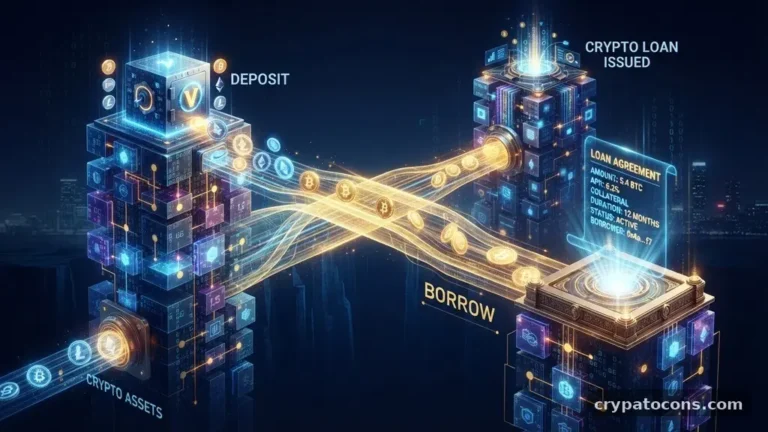
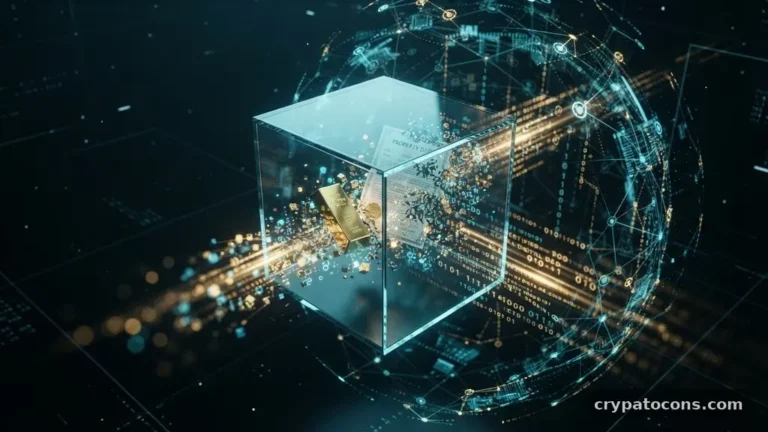
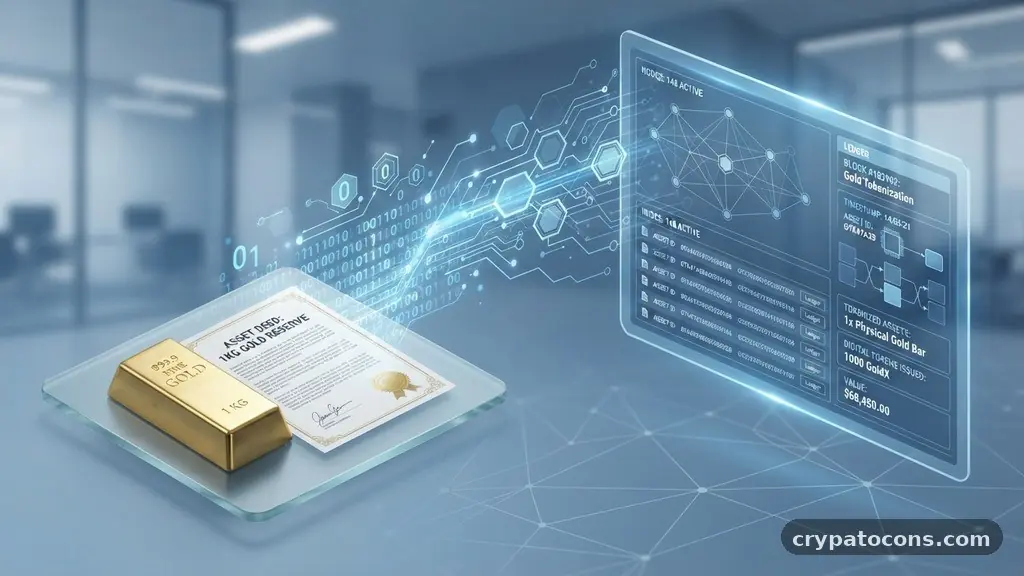
At its simplest level, the process of tokenizing real-world assets involves creating a digital representation of a physical object on a distributed ledger. When asking how does RWA tokenization work, think of it as a bridge that connects the rigid, offline world of legal ownership with the flexible, programmable environment of blockchain technology. The asset itself remains in the physical realm, but its economic value and ownership rights are codified into tokens.
This transformation requires a legal framework that binds the digital token to the underlying asset. Without a clear legal link, the token is merely a speculative digital collectible rather than a claim on value. Issuers typically use Special Purpose Vehicles (SPVs) to hold the physical title or asset, ensuring that the token holders have a protected interest in the real-world property or financial instrument.
Once the legal structure is established, the asset is audited and appraised by a third party. This verification is crucial for market trust.
Investors need assurance that the physical asset exists, is properly maintained, and has the valuation claimed by the issuer. After the verification is complete, the tokenization platform mints a specific number of tokens to represent ownership shares of that asset.
The Role of Smart Contracts in Asset Management
Smart contracts serve as the automated engine behind the entire operation. These self-executing programs live on the blockchain and govern the transfer, issuance, and management of the tokens. When you purchase a tokenized asset, the smart contract automatically updates the ledger to reflect your ownership without needing a middleman.
These contracts can also enforce compliance and regulatory requirements directly at the code level. For example, a smart contract can include a “whitelist” function that only allows verified, KYC-cleared addresses to hold or trade the tokens. This ensures that the asset adheres to anti-money laundering laws while maintaining the efficiency of a digital market.
Furthermore, smart contracts can automate dividend distributions or interest payments. If a tokenized commercial building generates rental income, the smart contract can instantly distribute the pro-rata earnings to every wallet holding those tokens. This removes the administrative burden of manual accounting and bank transfers, making the investment process much faster and more transparent for the participants.
Types of Assets Eligible for Tokenization
Not every asset is suitable for this technology, but the range of possibilities is expanding rapidly. Financial assets like treasury bills, corporate bonds, and equities are currently the most popular choices for tokenization due to their fungibility and high liquidity. These assets are already digital in nature, making the transition to a blockchain-based ledger relatively straightforward.
Physical, illiquid assets represent the next frontier for this financial evolution. Real estate, fine art, and precious metals are being broken down into smaller, tradeable units to increase market access. By lowering the entry threshold, tokenization allows a broader range of investors to participate in markets that were previously reserved for high-net-worth individuals.
Common Tokenized Asset Categories
- Financial Instruments: Government bonds, money market funds, and private credit.
- Real Estate: Commercial office buildings, residential apartments, and luxury villas.
- Commodities: Gold bars, silver reserves, and agricultural stockpiles.
- Collectibles: Fine art, vintage automobiles, and rare wine collections.
Comparing Traditional vs. Tokenized Asset Transfers
The primary benefit of tokenization is the radical improvement in settlement speed and cost efficiency. In traditional finance, settling a property sale or a bond trade can take days or weeks due to manual documentation and clearinghouse layers. Blockchain technology allows for near-instant settlement, as the transfer of the token is effectively the transfer of the underlying asset.
| Feature | Traditional Asset Trade | Tokenized Asset Trade |
|---|---|---|
| Settlement Time | T+2 to T+5 days | Near-instant (T+0) |
| Minimum Investment | High (Institutional) | Low (Fractional) |
| Operating Hours | Market hours (9-5) | 24/7/365 |
| Transparency | Opaque/Private | Public Ledger Auditable |
Traditional systems rely on siloed databases that require constant reconciliation between banks and brokers. Tokenization uses a shared, single source of truth that all parties can verify in real-time. This reduces the risk of errors and minimizes the capital that gets tied up in the settlement process, effectively freeing up more liquidity for the market.
The Regulatory Landscape and Compliance
Regulation is the most significant hurdle for widespread RWA adoption. Different jurisdictions maintain varying rules regarding how securities are issued, traded, and held.
To remain compliant, tokenization platforms must integrate robust identity verification protocols. You can find more information on the evolving standards for digital assets by visiting the Bank for International Settlements website.
Most issuers choose to issue tokens as “security tokens” rather than utility tokens. This classification subjects them to the same strict oversight as traditional stocks and bonds. By adhering to existing laws, these projects can attract the large-scale institutional capital needed to move the market from niche to mainstream.
Failure to follow these regulations results in severe legal consequences for the issuers. Consequently, the industry is seeing a shift toward private, permissioned blockchains where the issuers can control access. This compromise allows them to satisfy regulators while still gaining the technical advantages of distributed ledger technology.
Market Growth and Institutional Adoption
The market for tokenized real-world assets is experiencing a significant surge in interest from major financial institutions. Firms like BlackRock have already begun launching tokenized funds, signaling that the traditional finance world views this as a legitimate evolution of capital markets. This institutional interest validates the technology and provides the necessary infrastructure for retail investors to participate safely.
The primary driver of this growth is the desire for improved capital efficiency. Financial institutions are constantly seeking ways to reduce the cost of managing and trading assets. By moving these processes onto a blockchain, they can eliminate redundant intermediaries and automate complex back-office functions that have historically been expensive and slow.
Furthermore, the demand for “onchain” yield is fueling this expansion. Investors are increasingly looking for ways to earn returns on their digital holdings without relying on volatile crypto-native protocols. Tokenized treasury bills provide a stable, low-risk yield that is highly attractive in a high-interest-rate environment, making them a preferred choice for many digital-first portfolios.
Challenges to Widespread Implementation
Despite the clear benefits, several technical and social barriers remain. The lack of standardized protocols across different blockchains makes it difficult for assets to move freely between ecosystems. If an asset is tokenized on one network, it is often trapped there unless a bridge or cross-chain protocol is used, which introduces additional security risks.
Education also remains a major bottleneck for mass adoption. The average investor does not fully grasp how does RWA tokenization work, or why they should trust a digital token over a traditional paper deed. Until the user experience becomes as simple as using a standard banking app, the technology will likely remain within the realm of sophisticated or tech-savvy participants.
Custody is another significant challenge for the industry. While blockchain allows for self-custody, most institutional investors prefer to use regulated custodians to hold their digital assets. The infrastructure for these specialized digital custodians is still maturing, and it must reach the same level of security and insurance coverage as traditional bank-grade vaults to gain universal trust.
Frequently Asked Questions
Can I tokenize my own house?
Technically, yes, you can tokenize a house, but the process is expensive and complex. It involves creating a legal entity to own the property, hiring lawyers for compliance, and finding a platform to host the tokens. For a single property, the legal and administrative fees often outweigh the benefits of tokenization unless you are looking to sell fractional ownership to many investors.
Will XRP be used to tokenize assets?
The XRP Ledger is designed specifically for high-speed, low-cost asset transfers, and many companies are currently building tokenization solutions on it. Its architecture allows for the issuance of native tokens, which makes it a viable candidate for various RWA projects. While no single coin has a monopoly, the speed and efficiency of the ledger make it a strong contender for institutional-grade tokenization.
Which RWA project is the best?
There is no single “best” project, as the market is highly fragmented. Some platforms focus on real estate, while others focus on tokenized government bonds or private credit. You should look for projects that are fully transparent, maintain clear regulatory filings, and have partnerships with recognized financial institutions to ensure the legitimacy of the underlying assets.
Is RWA tokenization safe?
Safety depends on the quality of the issuer and the robustness of the smart contracts. A token is only as safe as the physical asset it represents and the legal framework that backs it. Always check that the project has undergone independent audits and that the legal documentation clearly defines your rights as a token holder in the event of a default.
Future Outlook for Digital Assets
The future of finance is increasingly leaning toward the integration of traditional assets with digital infrastructure. As the technology matures, we will likely see a shift where most financial instruments are born on a blockchain rather than being retrofitted into one. This evolution will lower costs, improve transparency, and expand access to global markets for everyone.
Understanding how does RWA tokenization work today puts you ahead of the curve in this financial transition. As more assets move onchain, the distinction between “crypto” and “traditional” finance will continue to fade.
Keep an eye on how regulatory standards develop, as these will ultimately dictate the speed and scale of the transformation. Exploring these platforms now provides a firsthand look at the next generation of global capital markets.