What Are Tokenized Real World Assets?
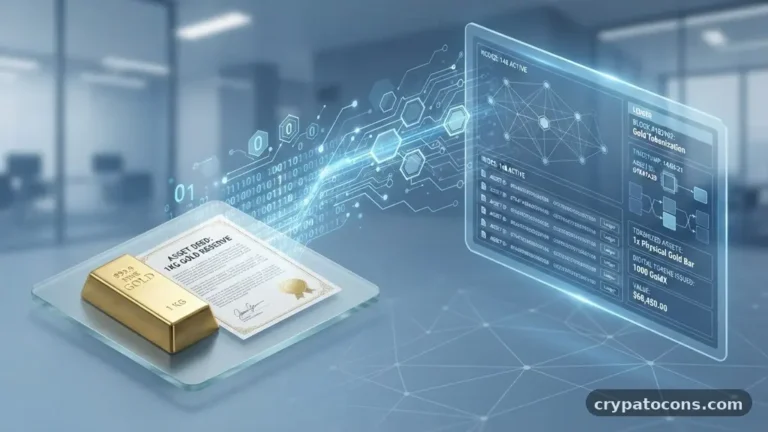
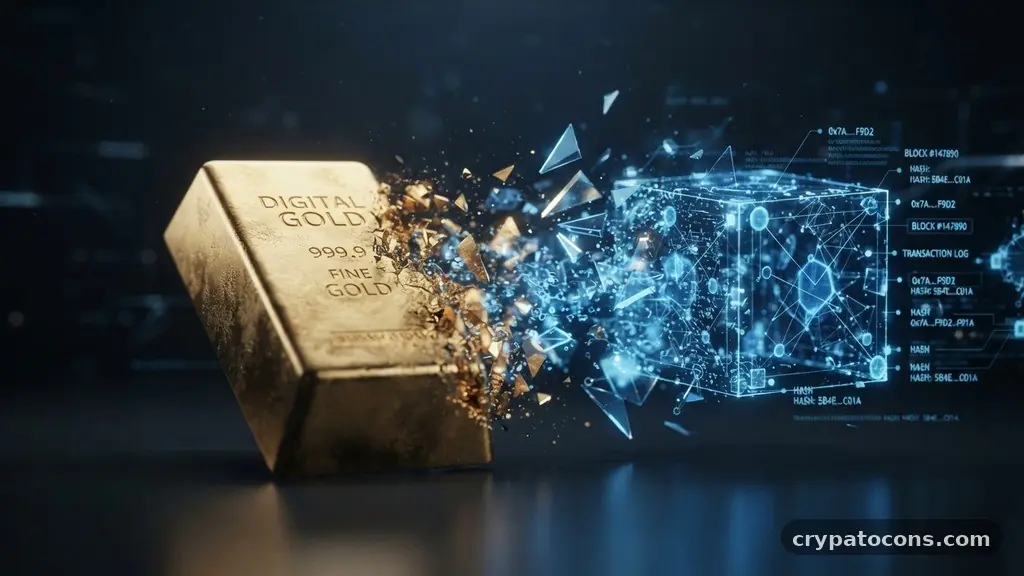
Tokenized Real World Assets refer to the process of bringing tangible items—like property, gold, or fine art—onto a blockchain network. By converting these physical objects into digital tokens, owners can trade fractional shares of high-value items that were previously locked away in illiquid markets.
This transformation bridges the gap between traditional finance and modern decentralized technology, providing investors with new ways to diversify their portfolios. Understanding how these systems function is essential for anyone looking to participate in the evolving digital economy.
Defining the Mechanics of Asset Tokenization
At its core, the process involves creating a digital representation of a physical object on a distributed ledger. This digital token serves as proof of ownership and is governed by smart contracts that automate compliance and distribution.
When you purchase a token, you are acquiring a legally recognized interest in the underlying asset. The blockchain acts as a transparent, immutable record that tracks who holds each fraction of the item.
This technology removes the need for traditional intermediaries like brokers or escrow services in many transactions. Because the rules are baked into the code, trades can settle almost instantly rather than taking weeks of paperwork.
You gain the ability to buy or sell small portions of an asset, which opens up markets that were once restricted to institutional investors. This democratization of investment is the primary driver behind the growing interest in this space.
The Role of Blockchain in Modern Finance
Blockchain technology provides the infrastructure that makes this entire ecosystem possible. By utilizing a decentralized network, it ensures that no single entity has total control over the asset registry.
This creates a high level of trust, as every transaction is verified by the network participants. The security of these systems is a significant improvement over paper-based deeds or physical certificates.
Smart contracts are the engine that drives this efficiency. These self-executing programs run automatically when specific conditions are met, such as the transfer of funds.
They eliminate human error and reduce the cost of management for asset owners. As the International Monetary Fund notes regarding the potential of asset tokenization, these tools can significantly lower transaction costs.
Common Types of Tokenized Real World Assets
The range of items that can be represented as digital tokens is vast and continues to grow. Real estate is currently the most popular category, as it allows people to invest in rental properties without needing to buy an entire building.
Commodities like gold and silver are also frequently tokenized to provide easier access to precious metals. Beyond these, you will find more niche markets emerging daily.
- Real estate including residential apartments and commercial office space.
- Precious metals like gold bars, silver coins, and platinum.
- Fine art pieces and rare collectibles like vintage cars.
- Financial instruments such as treasury bills and corporate bonds.
- Private equity shares in startups or small businesses.
Comparing Traditional Ownership to Digital Tokens
The shift from traditional ownership to a tokenized model changes how investors interact with their holdings. In a standard setup, you often deal with lengthy settlement times and high minimum investment requirements.
Tokenized assets, by contrast, offer a more fluid experience. You can move your holdings across borders with ease, provided the platform complies with local regulations.
| Feature | Traditional Assets | Tokenized Assets |
|---|---|---|
| Liquidity | Low | High |
| Minimum Investment | High | Low |
| Settlement Speed | Days or Weeks | Near-Instant |
| Access | Restricted | Global |
Benefits for the Individual Investor
The biggest advantage for the average person is fractional ownership. If a high-end apartment building costs millions of dollars, most people cannot invest in it directly.
With tokenization, you can purchase a small percentage of that building for a fraction of the price. This allows for better diversification, as you can spread your capital across many different types of assets.
Transparency is another massive benefit. Because the blockchain is a public ledger, you can verify the history and ownership status of an asset at any time.
You no longer have to rely solely on the word of a real estate agent or a broker. This clarity reduces the risk of fraud and provides peace of mind when making significant financial commitments.
Challenges and Regulatory Considerations
Despite the clear benefits, the path forward is not without hurdles. Governments around the world are still developing frameworks to classify these tokens.
Some are viewed as securities, while others are treated as commodities or utility tokens. Navigating this legal landscape requires diligence from both the platforms offering these services and the investors using them.
Security remains a top priority for developers in this space. While blockchains are inherently secure, the smart contracts that govern them can contain bugs or vulnerabilities.
Audits by third-party security firms are now a standard industry practice to mitigate these risks. Investors should always research the security history of any platform before committing their capital to a project.
The Future Growth of the Sector
We are currently seeing an influx of institutional capital into the market for tokenized real world assets. Large banks and financial firms are experimenting with their own platforms to issue tokenized bonds and other financial products.
This institutional interest validates the technology and pushes for clearer regulations. It also suggests that the infrastructure will become more robust over the next few years.
As the technology matures, we expect to see more integration between traditional bank accounts and blockchain wallets. This will make it easier for non-technical users to participate in the market.
The goal is to make the process as simple as buying a stock on a standard brokerage app. Once the barrier to entry is lowered, the volume of assets being tokenized is likely to skyrocket.
Economic Implications for Global Markets
The tokenization of assets could fundamentally change how global capital flows. By making illiquid assets liquid, we unlock massive amounts of trapped value that can be put to work in the economy.
This could lead to more efficient markets where capital is directed to where it is needed most. It also creates a more inclusive financial system that is accessible to people in developing nations.
This shift does not happen overnight, as it requires a massive overhaul of existing financial infrastructure. However, the incentives for efficiency are simply too great to ignore.
As more countries adopt digital currencies and blockchain-friendly laws, the integration of these systems will become inevitable. We are likely witnessing the beginning of a multi-decade transition in how the world handles value.
Frequently Asked Questions
What are the main risks of buying tokenized assets?
The primary risks include regulatory uncertainty, potential smart contract vulnerabilities, and the liquidity of the specific platform you choose. You should also consider the underlying asset’s value, as tokenization does not guarantee profit or protect against market downturns.
How do I know if a tokenized asset is legitimate?
Look for platforms that are fully compliant with regional financial regulations and provide clear documentation about the underlying asset. A legitimate project will typically undergo regular audits and provide a transparent way to verify their claims through the blockchain.
Is it possible to lose my investment in these tokens?
Yes, any investment carries risk. If the underlying asset loses value, the value of your tokens will decrease accordingly. Additionally, if the platform hosting the tokens fails or suffers a security breach, you could potentially lose access to your holdings.
Do I need special knowledge to start investing?
While you do not need to be a developer, you should understand the basics of how blockchain wallets and digital tokens function. It is important to know how to securely manage your private keys and navigate the specific platform you are using.
Closing Thoughts on the Digital Future
The emergence of tokenized real world assets marks a significant milestone in the evolution of our financial systems. By leveraging the speed and transparency of blockchain technology, we are creating a more efficient way to manage and trade value. These tools offer unprecedented access to markets that were previously out of reach for most people.
As you continue to watch this space, remember that staying informed and prioritizing security are your best defenses. Whether you are interested in real estate, commodities, or other financial instruments, the ability to hold digital versions of these items is changing the landscape of modern investment. Exploring these opportunities can be a productive step toward building a more diversified and resilient portfolio for the future.