What Is Real World Asset Tokenization?
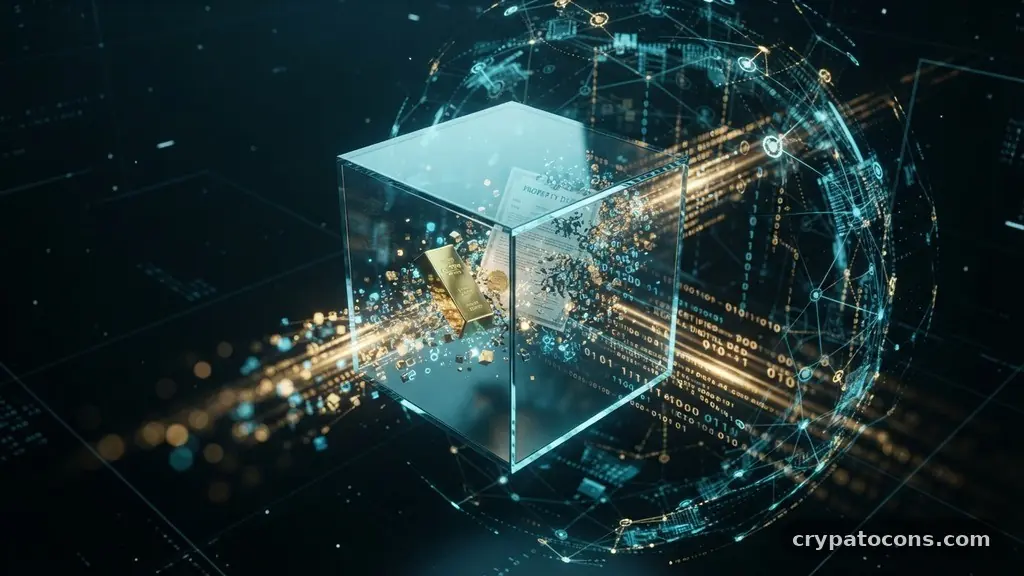
Real world asset tokenization represents a fundamental shift in how we represent and trade value across global markets. By converting physical or financial holdings into digital tokens on a blockchain, this process effectively bridges the gap between traditional finance and decentralized systems.
Investors now have the ability to access fractional ownership of high-value items that were once restricted to institutions or the ultra-wealthy. Understanding how this technology functions is essential for anyone looking to grasp the future of digital finance and the evolution of modern capital markets.
Defining the Core Mechanics
At its simplest level, the process involves creating a digital representation of a physical object or financial instrument on a distributed ledger. This digital version is known as a token.
These tokens act as verifiable proof of ownership, secured by cryptography and recorded permanently on a blockchain. Because the blockchain acts as a decentralized database, it eliminates the need for a central clearinghouse to verify transfers or manage complex paperwork.
When an entity initiates rwa tokenization, they are essentially packaging an underlying asset—such as a building, a piece of art, or a government bond—into a digital container. Each token represents a specific, predefined share of that asset.
If a commercial office building is valued at $10 million, an issuer might create 10,000 tokens, each worth $1,000. This structure allows a retail investor to purchase a single token rather than needing millions of dollars to acquire the entire property.
The security of these digital holdings relies on smart contracts. These are self-executing programs that automate the rights and obligations of the token holder.
If an asset generates rental income or dividends, the smart contract can automatically distribute those payments to the digital wallets of the token holders. This automation significantly reduces administrative overhead and speeds up the settlement process compared to legacy banking systems.
The Role of Blockchain Technology
Blockchain serves as the foundation for the entire ecosystem because of its transparency and immutability. Every transaction involving a tokenized asset is recorded on the public or private ledger, making it impossible to forge ownership records or double-spend the same asset. This level of trust is critical when dealing with high-value items that require absolute certainty regarding legal provenance.
Unlike traditional databases that are siloed within banks or brokerages, a blockchain is accessible to all authorized participants. This creates a unified source of truth for every asset.
If you buy a token representing a share of gold or a treasury bill, you can instantly verify that the asset exists and that your ownership is recorded in the block history. This transparency is a massive improvement over the opaque, slow-moving processes of traditional financial institutions.
Furthermore, blockchain allows for 24/7 trading cycles. While stock markets operate on specific hours and require business days for settlement, tokenized assets can move across the globe instantly.
This continuous liquidity is a major advantage for market participants who need to rebalance their portfolios or access cash without waiting for a bank to open. The underlying technology effectively turns static, illiquid holdings into dynamic, tradeable digital instruments.
Common Categories of Tokenized Assets
The range of items eligible for this technology is quite broad, covering almost anything that holds intrinsic value. Real estate is perhaps the most frequently discussed category, as it is historically illiquid and difficult for smaller investors to enter. By dividing a property into thousands of tokens, developers can raise capital more efficiently while providing investors with a steady stream of passive income.
Financial instruments are also prime candidates for this transformation. Government bonds, corporate debt, and private equity funds are increasingly being moved onto blockchains.
This migration simplifies the complex world of bond issuance and interest payments, which currently relies on an outdated network of custodians and brokers. By using Bank for International Settlements research on tokenization, one can see how central banks are monitoring these shifts to ensure systemic stability.
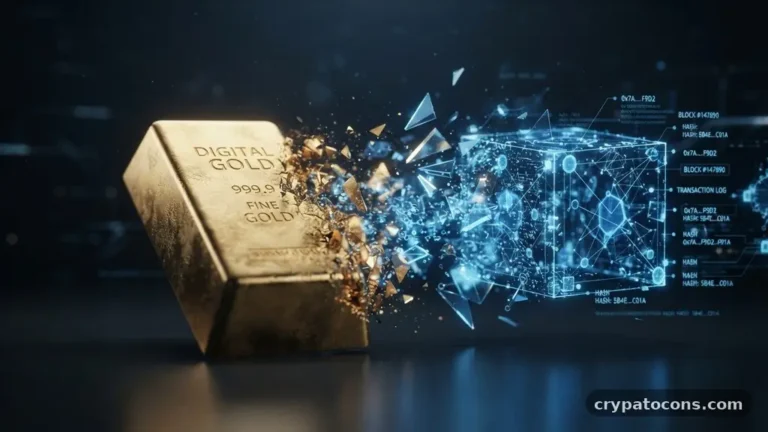
Commodities like gold, silver, and oil are also being digitized to facilitate easier trading. Instead of shipping physical bars or barrels, an investor can hold a token that is backed by a specific amount of the physical commodity stored in a secure vault. This method preserves the value of the underlying asset while making it as easy to trade as a standard digital currency.
| Asset Type | Primary Benefit | Liquidity Profile |
|---|---|---|
| Real Estate | Fractional Ownership | Moderate to Low |
| Treasury Bonds | Instant Settlement | High |
| Fine Art | Market Access | Low |
| Private Equity | Lower Minimums | Very Low |
Advantages for Global Investors
The most significant benefit for the average person is the democratization of wealth. Historically, high-yield investments like commercial real estate or private credit funds required substantial capital commitments and long lock-up periods. With tokenization, these barriers are lowered significantly, allowing for micro-investments that were previously impossible.
Efficiency is another major selling point for institutional and retail users alike. By stripping away intermediaries like lawyers, escrow agents, and clearinghouses, the cost of executing a transaction drops sharply.
This cost saving is passed down to investors in the form of lower fees and higher net returns on their holdings. The reduction in manual processing also minimizes the risk of human error or document loss.
Finally, the ability to program assets creates new possibilities for financial management. Investors can set up automated rules for their tokens, such as automatic reinvestment of dividends or stop-loss orders that trigger when a certain price is reached. These features provide a level of control that was once restricted to professional traders using expensive institutional software platforms.
Regulatory and Legal Challenges
While the technology is ready, the legal landscape is still evolving. Every jurisdiction has its own set of rules regarding securities, property law, and digital assets. A token that is considered a compliant investment in one country might be classified as an illegal security in another, complicating global adoption.
Compliance is particularly challenging because of Know Your Customer (KYC) and Anti-Money Laundering (AML) requirements. Issuers must verify the identity of every token holder, which can conflict with the anonymous nature of many public blockchains. Most platforms solve this by using permissioned chains or identity-linked wallets, where access is granted only after a thorough background check.
There is also the question of legal recourse when things go wrong. If a physical asset is damaged, or if a smart contract contains a bug, the legal path for recovery is often unclear.
Courts are still learning how to interpret digital ownership claims in the context of traditional property law. Until international legal standards are unified, investors should exercise caution and prioritize platforms with strong legal frameworks.
The Process of Issuing Tokens
The lifecycle of an asset begins with legal structuring. The issuer must establish a special purpose vehicle (SPV) or a similar legal entity that holds the legal title to the physical asset.
This entity acts as the interface between the real-world legal system and the digital blockchain. Without this legal bridge, the tokens would have no claim on the underlying property.
Once the legal structure is in place, the asset is audited and appraised. This is a critical step to ensure that the tokens are backed by an asset of genuine value. Third-party auditors verify the existence and condition of the item, providing a report that is often published on the blockchain alongside the token issuance.
The final stage is the minting and sale of the tokens. Using a platform designed for tokenization, the issuer creates a set number of tokens that are distributed to investors.
These tokens can then be listed on secondary markets, where liquidity providers allow holders to buy or sell their positions at market prices. This entire workflow replaces months of paperwork with a streamlined, digital process.
Key Risks to Consider
Investors must be aware that tokenization does not eliminate the inherent risks of the underlying asset. If you buy a token representing a share of a building, and the property market crashes, the value of your token will fall accordingly. The digital nature of the asset does not protect against bad investments or market volatility.
Technological risk is another factor that cannot be ignored. Smart contracts are code, and code can contain vulnerabilities.
If a hacker finds a flaw in the protocol, they could theoretically freeze or steal the tokens. While security audits are common, they are not a guarantee of absolute safety, and users should choose platforms with a proven track record.
Liquidity risk also remains a concern for less popular assets. Just because an asset is tokenized does not mean there will always be a buyer waiting to purchase your tokens.
If you invest in a niche piece of fine art or a specialized private debt instrument, you might find that the secondary market is thin. Always consider the exit strategy before committing capital to any digital asset.
- Fractionalization: Allows smaller capital entry points for expensive assets.
- Global Reach: Enables 24/7 trading across international borders without banking hours.
- Settlement Speed: Moves from days to seconds by removing intermediaries.
- Transparency: Provides an immutable record of ownership on a public ledger.
- Programmability: Uses smart contracts to automate dividend payments and compliance.
Future Outlook for the Industry
The integration of these digital assets into the mainstream economy is likely to accelerate as institutional adoption grows. Major banks are already experimenting with tokenized money market funds and collateralized loan obligations. As these massive financial players build the infrastructure, the technology will become more reliable and easier for the average consumer to access.
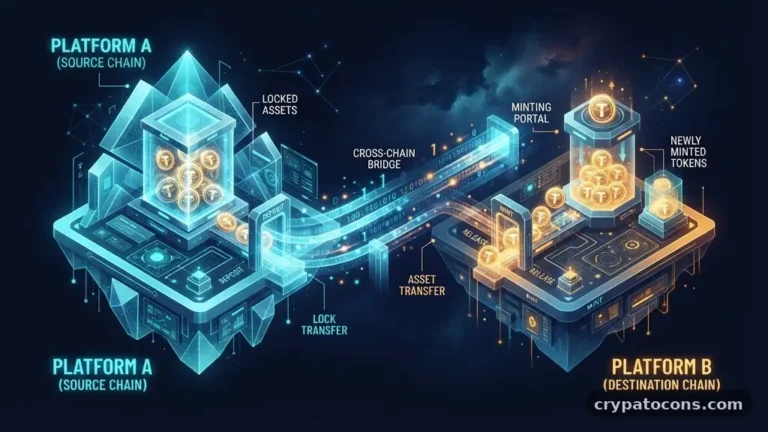
We are also likely to see the rise of interoperability between different blockchains. Currently, many platforms operate in silos, meaning tokens on one network cannot be easily moved to another. Future developments will focus on cross-chain bridges that allow for a fluid movement of capital between different ecosystems, further increasing the efficiency of the global market.
Ultimately, the goal is to create a more inclusive financial system. By lowering the barriers to entry and increasing the velocity of capital, this technology has the potential to unlock trillions of dollars in value that is currently trapped in illiquid physical assets. As the legal and technical hurdles are cleared, we will likely see a world where owning a fraction of a skyscraper or a rare commodity is as simple as buying a share of a company.
Frequently Asked Questions
Is tokenization the same as cryptocurrency?
No, they are distinct concepts. A cryptocurrency like Bitcoin is a native digital asset, whereas a tokenized asset is a digital representation of something that already exists in the real world, such as real estate, stocks, or gold.
Can I lose my money if the platform shuts down?
This depends on the legal structure of the tokens. If the tokens represent a legal claim on a physical asset held by an SPV, you still own a share of that asset. However, you might face difficulties in trading your tokens or receiving distributions if the platform’s user interface is no longer available.
How do I know the asset actually exists?
Reputable platforms publish audit reports and appraisal certificates on the blockchain. These documents are verified by independent third parties to confirm that the asset is held in a secure location and is fully insured.
Do I need a special wallet to hold tokenized assets?
You generally need a digital wallet that supports the specific blockchain where the tokens are issued, such as Ethereum or Polygon. Many platforms provide their own custodial wallets that handle the technical complexities for the user.
Are tokenized assets regulated?
In most cases, yes. Regulators like the SEC in the United States and similar bodies globally are increasingly categorizing these tokens as securities. This means they must comply with strict disclosure and investor protection laws.
Moving Toward a Digital Future
The emergence of this technology marks a clear departure from the manual, paper-heavy systems that have dominated the financial world for decades. By turning physical holdings into tradable, digital units, real world asset tokenization provides a level of speed and access that was previously inconceivable. Whether it is through fractional real estate or digitized government debt, the ability to manage capital with greater precision is a massive leap forward.
As you explore this space, focus on platforms that prioritize legal clarity and robust security measures. The shift toward a blockchain-based financial architecture is a long-term trend, and staying informed will help you identify opportunities as the ecosystem matures. Engaging with this evolution early allows for a deeper understanding of how value will be moved and managed in the coming years.